Richard Golian

1995-born. Charles University alum. Head of Performance at Mixit. 10+ years in marketing and data.

Castellano Français Slovenčina

Manage subscription Choose a plan

RSS
Newsletter
New articles to your inbox

Banská Bystrica: History, Mining Heritage and Central European Identity — Richard Golian

Banská Bystrica: History, Mining Heritage and Central European Identity

Banská Bystrica is the city where I grew up. A place surrounded by mountains in the heart of Slovakia. Here I write about the landscapes, the atmosphere of the city and the small details that shape everyday life there. #slovakia #miningtowns #carpathians

4 articles

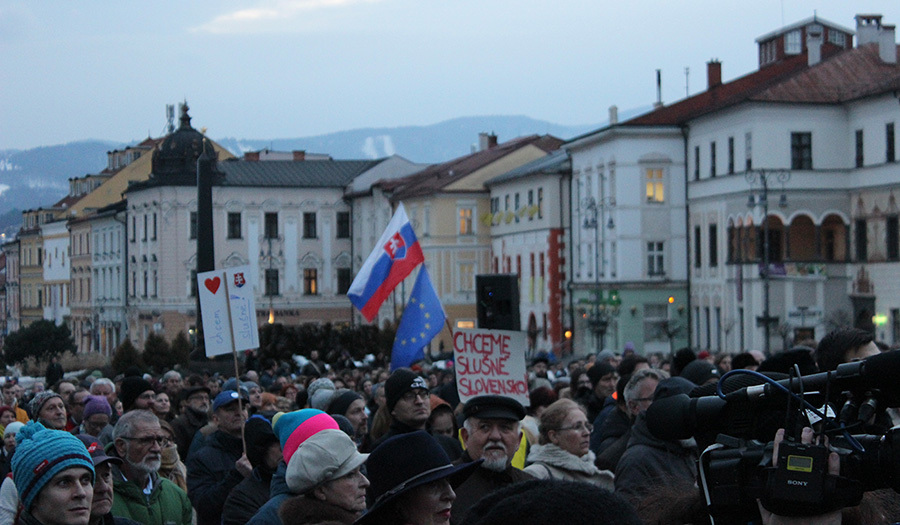
Banská Bystrica sits in a valley surrounded by mountains in the heart of Slovakia. For centuries it was known as Neusohl — a German name from the time when this was one of the most important mining towns in the Habsburg Empire. Copper built the city. The Thurzo-Fugger company made it a centre of European trade. The mines closed long ago, but the architecture and the atmosphere remain. This is where I grew up. A city small enough to walk across in thirty minutes, but dense with history — from medieval mining privileges to the Slovak National Uprising of 1944, when this valley became the centre of armed resistance against the Nazi occupation. A place where languages and cultures intertwined for centuries — German, Slovak, Hungarian — before settling into the quiet Central European rhythm it has today. I write about Banská Bystrica not as a tourist destination but as a place I know intimately. The mountains that frame it, the quiet streets in winter, the forests thirty minutes from the city centre where bears and lynx still move freely. A small Central European city with centuries of history visible if you know where to look.