

Article

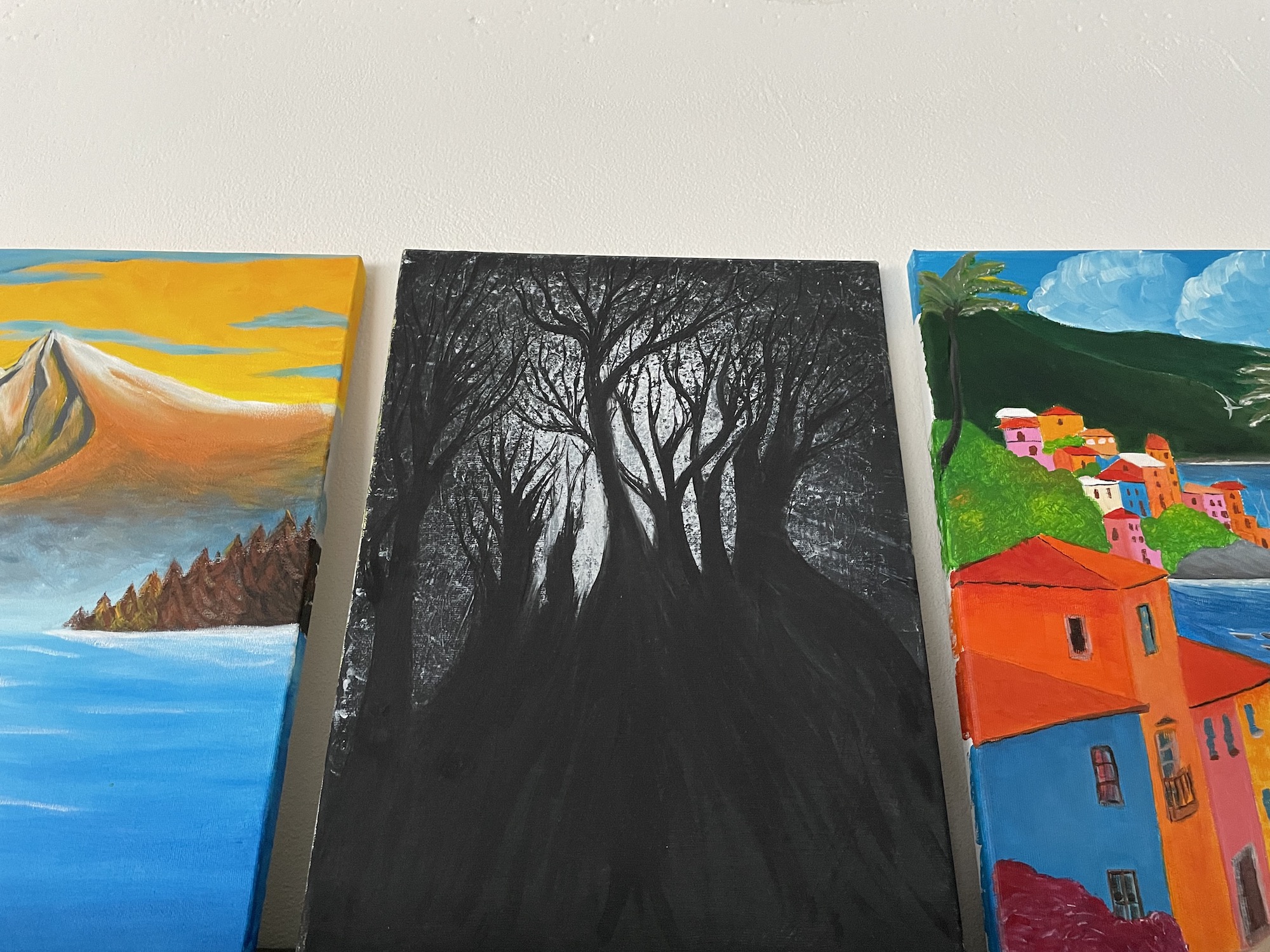
Visiting my sister Kristína after some time, I was struck by how many more paintings she had than I remembered. Her space felt transformed, almost like an art gallery. Her paintings were everywhere, not hung on the walls as you might expect, but leaning against furniture and arranged in small clusters. It was clear that painting had become a significant part of her life. This made me want to understand more about her journey with painting and the role it plays in her life.
A Canvas for Emotions
When I asked her about her paintings, she shared that her inspiration often comes from moments of deep emotion. She said:
“I mostly feel like painting when I am feeling melancholic or when nostalgia hits me. I think about experiences that left a strong emotional impact on me and those I wish I could relive. Usually, I look at photos to remind myself of these moments, and I try to paint what I love about them. At the same time, it helps me deal with overwhelming emotions.”
Experimenting with Creativity
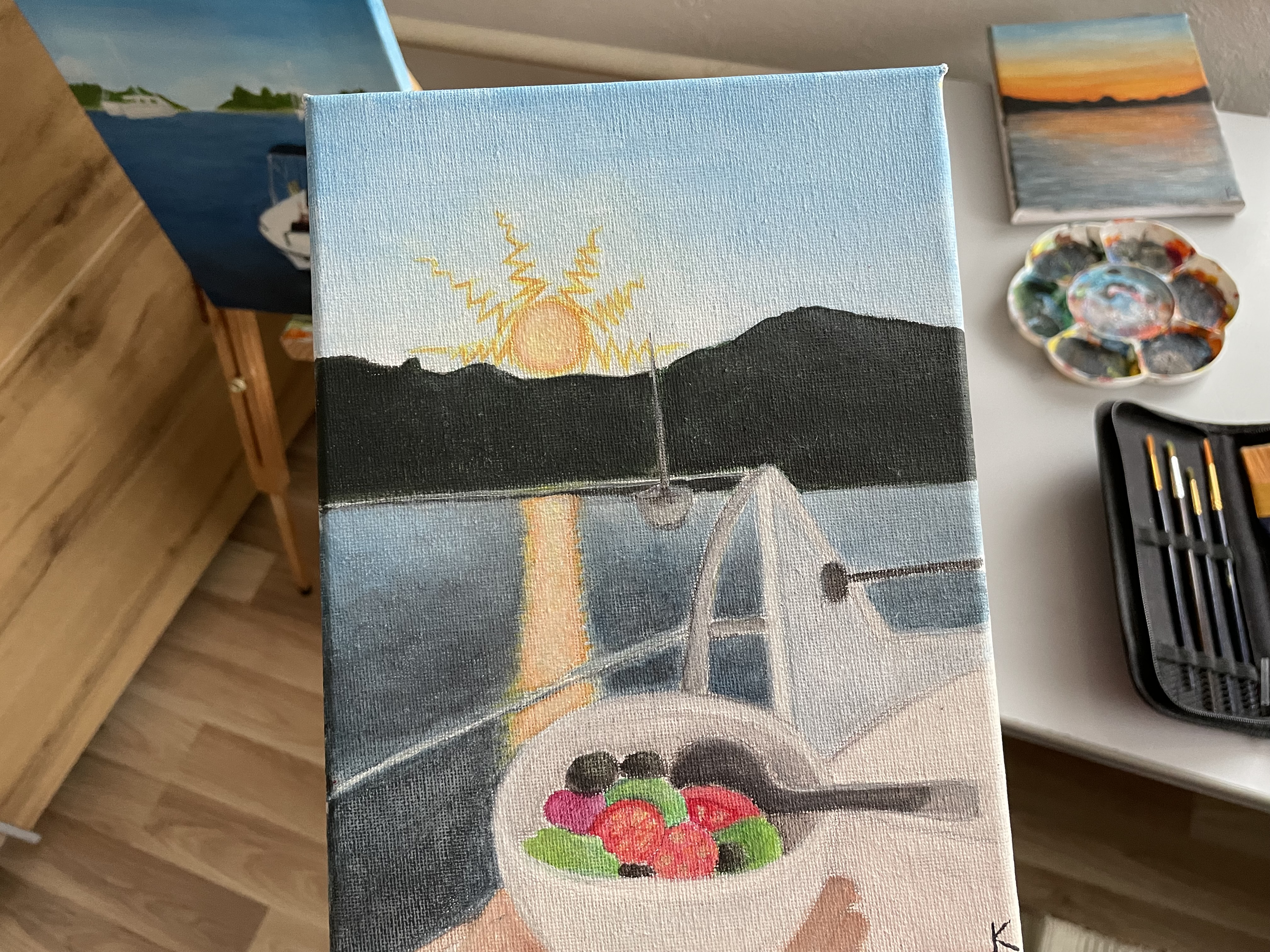
My sister does not consider herself an experienced painter, but that has not stopped her from experimenting and growing as an artist. She explained:
“Painting, for me, is an experiment. Since I am not skilled in it, I get excited about every small improvement I make. For a long time, I was afraid to paint specific things on canvas because I felt I did not have the technique or skills for it. I used to enjoy just playing with shading and mixing colors to create minimalist pieces.”
The Process Over the Result
One thing she emphasised was that for her, painting is not about the final product but about the act of painting itself. She told me:
“I paint when it feels good, and that is when I know the result does not matter. What is important is the activity.”
A Peek Into Her Gallery
As I walked through her space, I could not help but admire the variety of her work. Some pieces reflected her nostalgic emotions, while others were pure experiments with colours and textures. Each painting told a story or captured a feeling, making her home feel like a vibrant and intimate gallery.
What makes her story even more special is the connection to our grandfather, who has been painting his whole life. While his style and experience differ from hers, they share a love for creating art that tells a story.
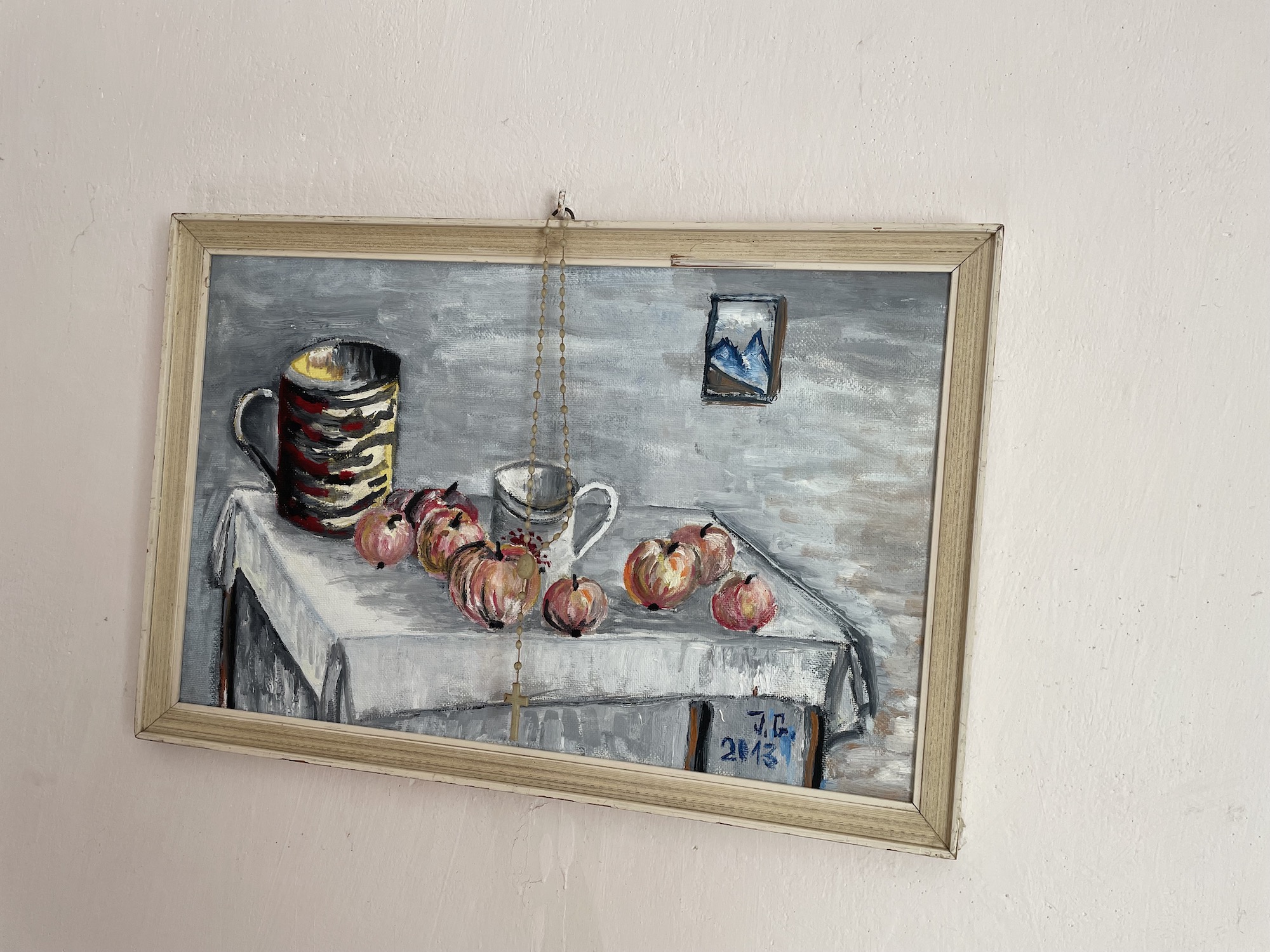
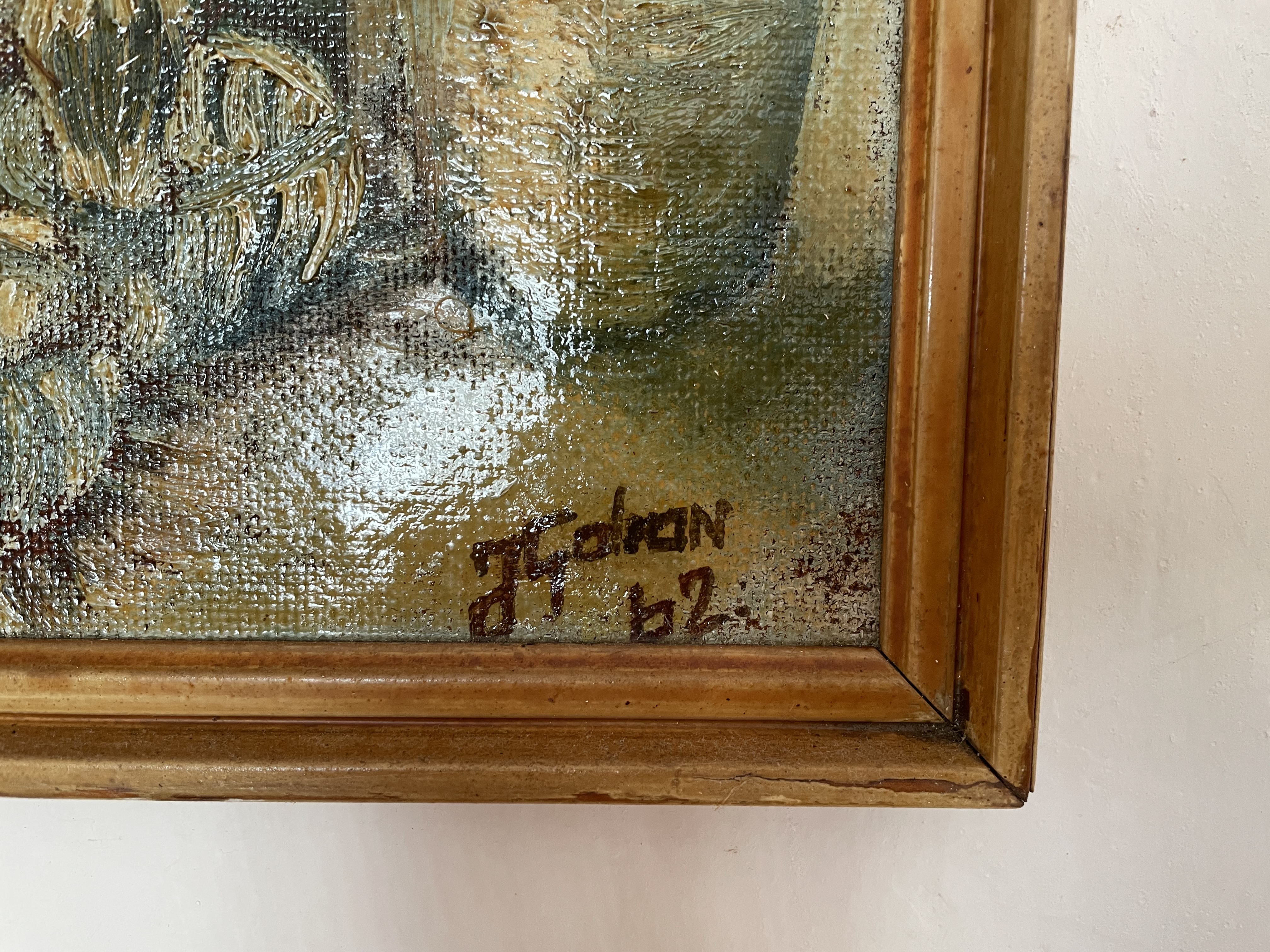
Looking at my sister's paintings, arranged in clusters or leaning casually against furniture, I felt a deep appreciation for how she has turned her emotions and curiosity into something tangible and beautiful. It was clear that each brushstroke carried a piece of her heart.
An Inspiring Passion
My sister’s journey with painting is more than a hobby; it is a testament to the power of creativity as a form of self-expression and emotional healing.
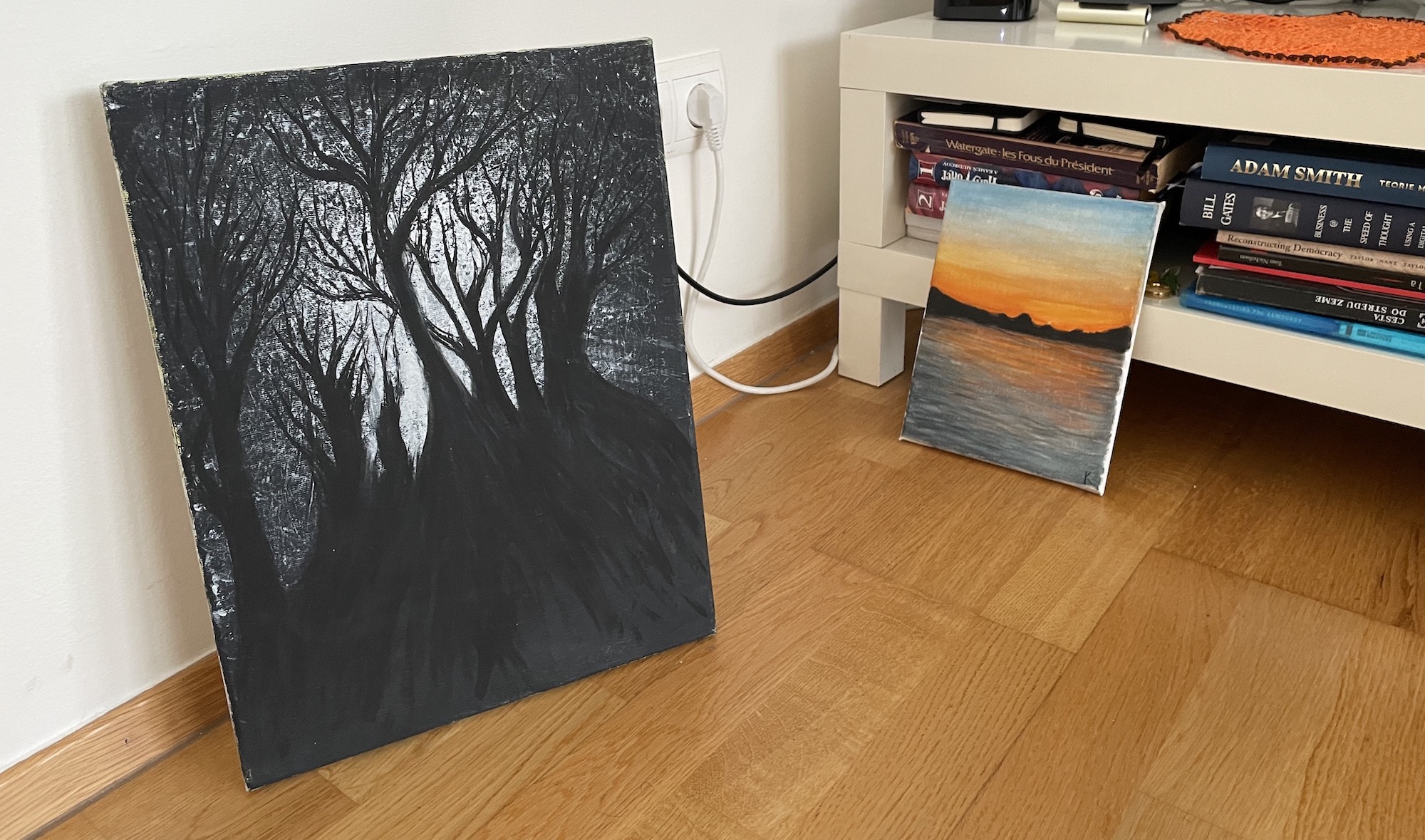
As I left, I took a few of her paintings with me to Prague. Now they brighten my space and remind me of her creativity and the emotions she pours into her art. Each painting carries a part of her story, and having them in my home brings a sense of connection to her and the emotions she channels into her art.
Summary
If you have any thoughts, questions, or feedback, feel free to drop me a message at mail@richardgolian.com.
 LinkedIn


More articles
Are you a content creator playing by the rules of YouTube, Instagram or Google? Are you a small business owner whose business model depends on how often Amazon recommends you, how expensive Facebook ad impressions will be or how expensive Google Ads clicks will be? If all or most of your contact with your audience or customers depends on a big platform showing you to them, you are not in a strong position.
The development of artificial intelligence changes how we look at which paths in life make sense. Which studies and which profession to choose.
It was Thursday, 31 March 2022, when I handed over the last of my responsibilities to my colleagues, closed my laptop and went to the library. I left my job for several months and immersed myself in philosophy. And I am immensely grateful for it. Today I am, like most people, on a merry-go-round, and it is hard for me to stop and think about the fundamental questions of my own life.
It was September 2023. My life, my work, everything was completely different from now. It was simpler. I owned almost nothing. I needed to film an advert, I went up to a floor inside the company where the product I needed for that advert was, and there I noticed her for the first time. She laughs at me when I describe it like this, but at that moment the universe told me, that is her.
How and why I am gradually leaving social media and the big platforms. When I read that Meta is testing a new way to charge for organic posts that link outside its platform, it confirms how right I was to become steadily less dependent on the big platforms and on social media. It does not mean I have left them completely. It means that whether or not I stay in touch with my readers depends on them less and less, and today almost not at all.
One of my family members described a firm that has its data in several different tools, and its employees still join it by hand, in spreadsheets. That is the ordinary state of firms. When somebody tells such people not to do it by hand and to use AI, they will not understand. Most firms do not even have the basic connectors between the tools they use. These firms need help with AI transformation.
The same task, two models. Fable 5 against Opus 4.8. On paper Fable is the better model, with a larger context and stronger specs. And still it lost. Opus handled the task with a single round of checking for 721,000 tokens, while Fable needed nine rounds and burnt through 2.78 million tokens. The difference was not in the model, but in how I set the task. And I know it, because I measured it.
A few weeks ago I installed a small local AI model on my laptop that watches a live camera feed. I turned the webcam on in the dark, and in near total darkness it recognised me and the objects in the room. That such things exist, I have known for a long time. What opened my eyes was the accessibility. I installed it in one prompt, free, and it runs entirely on my machine, sending data nowhere.
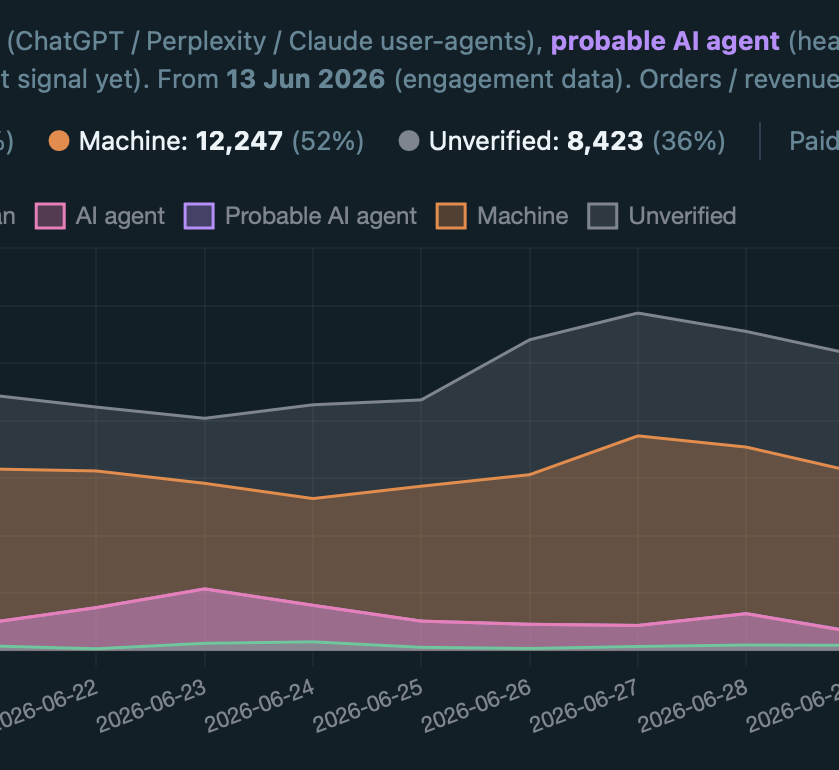
I once wrote about building my own privacy-friendly analytics tool. It had bot detection from the first version, yet it was not enough. Direct visits took a strangely high share of my traffic. When someone claims that 20% of their visits are bots and 80% are humans, I used to think the same. Today I would say the opposite ratio is closer to the truth. This is how I got there.
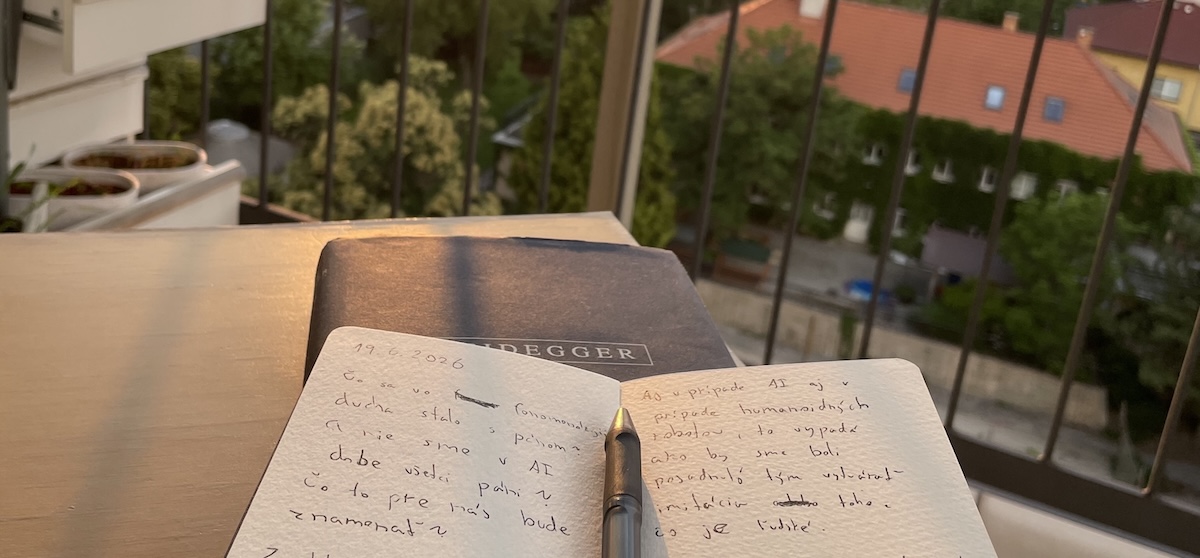
I have Heidegger and my notebook beside me. I am asking where all of this is heading, where artificial intelligence is taking us.
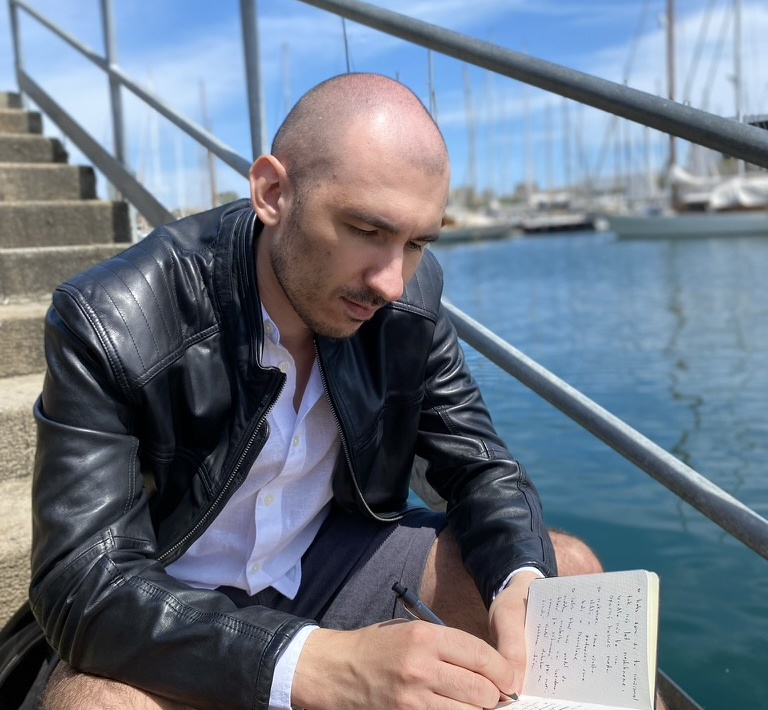
Four days in Catalonia. No computer, no AI, almost no social media. I bought this notebook so that I could write down what I would think about, and what I would come across and learn on the trip.